

Skilled trades sometimes sit in the shadow of office careers, yet they offer something rare: a direct link between effort, visible results, and real demand. A repaired roof, a rewired kitchen, or a perfectly set tile job solves specific problems that people happily pay for. That clear value creates a powerful room for growth.
Tradespeople learn through doing. They gain experience with real clients, real deadlines, and real constraints. This steady exposure builds a mix of technical skill, problem-solving, and customer service that can evolve into leadership, management, or business ownership.
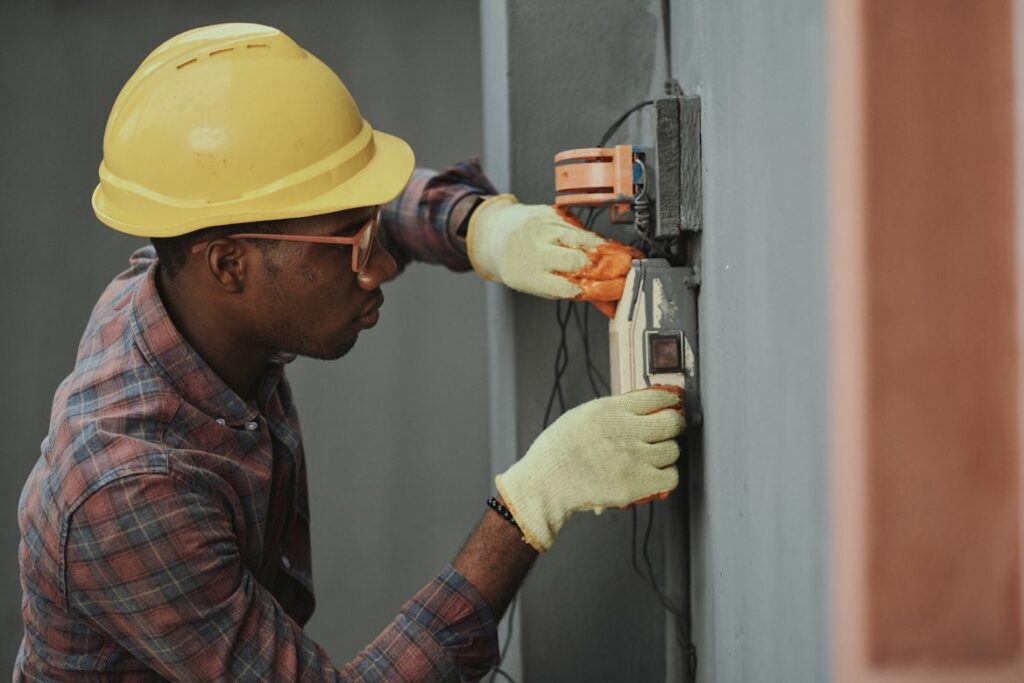
Hands-On Skills That Stay In Demand
Houses age, systems wear out, and new projects begin every year. Skilled trades sit at the centre of that constant work. Electricians, plumbers, carpenters, and general repair specialists help keep homes and businesses safe, comfortable, and functional.
Technology shifts, yet people still need working wiring, secure doors, and reliable plumbing. Tradespeople who keep learning can adapt new materials and methods without losing the core of their work. That adaptability, combined with ongoing demand, gives their career path a strong base.
Pathways From Trade Skills To Ownership
Plenty of tradespeople begin as apprentices or junior employees, then move into roles with more responsibility.
Years on the tools teach them which jobs they enjoy most, which clients they serve best, and how to manage time under pressure. People who want to blend practical work with business ownership sometimes explore a handyman service franchise opportunity as a structured way to grow. They bring their technical skills and local knowledge, while the franchise model supplies branding, systems, and training on pricing, marketing, and operations. This mix helps them step into ownership with guidance rather than guesswork.
Others choose an independent path and build their own brand from scratch. Both routes reward experience, reliability, and a willingness to learn about numbers, scheduling, and customer care. Trade skills become the engine that drives a resilient service business.
Clear Value And Transparent Career Progress
In many trades, progress feels visible. A new hire might start by carrying materials, cleaning up, and assisting with simple tasks. With time, that person takes on full jobs, leads small teams, and quotes work directly to clients. Each step adds new skills and higher earning potential.
Pay often reflects skill level and productivity more than formal titles. When tradespeople finish quality jobs efficiently, they contribute directly to revenue. Employers notice this impact and often reward it with raises, bonuses, or opportunities to lead.
Those who track their work hours, materials, and job outcomes learn which types of projects bring the best mix of income and satisfaction. That insight helps them shape a career that suits their strengths instead of following a generic ladder.
Daily Problem Solving Builds Confidence
Tradespeople face varied situations every week. No two properties match perfectly. A simple leak might hide behind unusual pipe layouts, or a door that sticks might reveal deeper framing issues. Each job becomes a puzzle that requires practical thinking.
Solving these problems builds confidence quickly. People learn to assess situations on site, explain options to clients, and pick solutions that balance cost, time, and quality. This combination of technical judgement and communication skills serves them well in any future leadership role.
That habit of troubleshooting carries beyond work. Tradespeople often feel more capable in their own lives, since they know how to plan projects, manage risk, and handle setbacks calmly. This steady composure supports long-term career growth.
Flexibility In Work Style And Lifestyle
Skilled trades offer a wide range of work styles. Some people prefer stable employment with a single company, predictable hours, and clear tasks. Others enjoy the variety of self-employment, where they choose clients, set schedules, and shape their own brand.
Project-based work can allow pockets of time for family, hobbies, or additional training. A tradesperson might schedule long blocks for intensive jobs, then reserve quieter periods for upskilling or rest. That flexibility can feel more practical than a fixed nine-to-five routine for certain personalities.
As careers advance, tradespeople can move into roles that suit changing needs. Supervisory positions, estimating, project management, training, or consulting all build on years of hands-on experience while reducing physical strain.
Practical Steps For Growth In The Trades
Growth in the skilled trades rarely depends on one dramatic move. It usually arises from consistent small steps that compound. Learning from mentors, taking relevant certifications, and staying curious about new tools and methods all add value.
Networking within the local community makes a big difference. Being known by real estate agents, property managers, builders, and other tradespeople often leads to steady referrals. Those relationships may later support partnerships, joint ventures, or larger contracts.

Skilled trades offer remarkably practical growth paths because they connect real needs with tangible solutions. Each job builds reputation, experience, and confidence. From steady employment through to franchise ownership or independent business, the journey aligns closely with effort and reliability.
With a mindset that values learning, clear communication, and smart planning, tradespeople can build careers that feel both stable and adaptable. They carry skills that households and businesses rely on every day, which gives their work purpose and strong long-term potential.